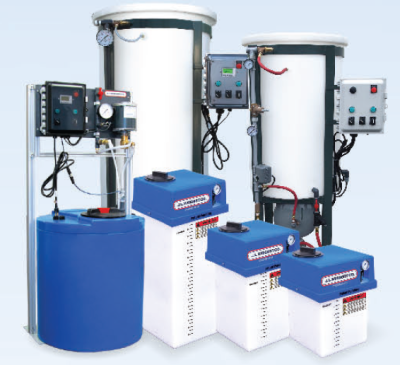
What is a Neptune Glycol Feeder?
-
click to rate
In modern HVAC and hydronic systems, maintaining the right chemical balance is essential for efficiency and longevity. A Neptune glycol feeder is a specialized device designed to introduce glycol and other treatment chemicals into closed-loop heating or cooling systems. This ensures proper freeze protection, corrosion control, and consistent system performance. Whether used in commercial buildings or industrial applications, the Neptune glycol feeder plays a vital role in protecting expensive equipment and reducing maintenance costs.
Understanding Glycol Feeders in HVAC Systems
What Does a Glycol Feeder Do?
A glycol feeder is a pressurized unit that injects glycol-based solutions into a system. Glycol acts as an antifreeze and corrosion inhibitor, helping maintain system stability in extreme temperatures.
Why Glycol is Important
- Prevents freezing in low-temperature environments
- Protects pipes and components from corrosion
- Improves heat transfer efficiency
- Extends the life of HVAC systems
Without proper glycol levels, systems can suffer from inefficiency, damage, and costly repairs.
Key Features of a Neptune Glycol Feeder
1. Pressurized Tank System
Neptune glycol feeders typically feature a sealed, pressurized tank that ensures smooth and consistent chemical injection without system interruption.
2. Easy Installation and Operation
These feeders are designed for quick installation and user-friendly operation, making them suitable for both new and existing systems.
3. Durable Construction
Built with high-quality materials, Neptune feeders are resistant to corrosion and wear, ensuring long-term reliability.
4. Precise Chemical Dosing
They allow accurate dosing of glycol and treatment chemicals, helping maintain optimal system conditions.
How a Neptune Glycol Feeder Works
A Neptune glycol feeder operates by connecting directly to a closed-loop HVAC or boiler system. The feeder tank is filled with a glycol solution, and pressure is applied using air or nitrogen. This pressure forces the solution into the system whenever there is a drop in pressure or when additional chemicals are required.
In the middle of system operation, the Neptune glycol feeder ensures that the correct concentration of glycol is maintained, preventing freezing and corrosion while keeping the system running efficiently.
Applications of Neptune Glycol Feeders
Commercial Buildings
Used in office complexes, malls, and hospitals to maintain HVAC efficiency and prevent system damage.
Industrial Facilities
Essential for process cooling and heating systems that operate in extreme conditions.
Residential Complexes
Helps maintain stable heating systems in large apartment buildings.
Data Centers
Ensures cooling systems function reliably, protecting critical equipment.
Benefits of Using a Neptune Glycol Feeder
- Improved System Efficiency: Maintains optimal chemical balance for better performance
- Reduced Maintenance Costs: Prevents corrosion and scaling
- Enhanced Equipment Lifespan: Protects critical components from damage
- Consistent Operation: Ensures uninterrupted heating and cooling
Maintenance and Best Practices
To get the best performance from a glycol feeder, regular maintenance is essential:
- Check glycol concentration periodically
- Inspect the tank and valves for leaks
- Clean the feeder to prevent buildup
- Ensure proper pressure levels are maintained
Routine checks help avoid system downtime and extend the life of the feeder.
Must Read: How Does a Glycol Feeder Work?
Conclusion
A Neptune glycol feeder is an essential component in maintaining the efficiency and reliability of HVAC and hydronic systems. By ensuring proper glycol levels, it protects against freezing, corrosion, and system failure. From commercial buildings to industrial applications, its role is critical in preserving system integrity. Investing in a Neptune glycol feeder not only improves performance but also reduces long-term operational costs, making it a smart choice for any facility.