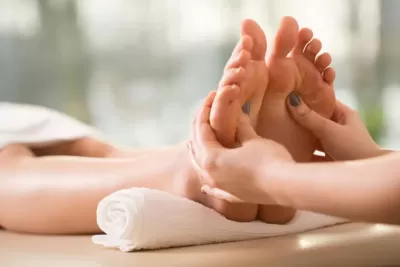
What is Foot Reflexology Good For?
-
Modern wellness practices often focus on natural ways to relax the body and calm the mind, and foot reflexology has become one of the most popular complementary therapies for this purpose. This technique involves applying gentle but targeted pressure to specific points on the feet that are traditionally believed to correspond with different organs and systems of the body. While it is not a replacement for medical treatment, many people use it to support relaxation, reduce stress, and improve overall well-being. Research suggests it may help lower anxiety, promote better sleep, and even support short-term improvements in certain vital signs.
Understanding How It Works
Reflexology is based on the idea that the feet contain mapped pressure points connected to various parts of the body. Practitioners use their fingers and thumbs to stimulate these areas with controlled pressure. The goal is to encourage the nervous system to shift into a more relaxed state.
From a practical perspective, the benefits may come from a combination of touch therapy, improved circulation, and the calming effect of massage. Even though the exact mechanism is still debated, many individuals report feeling deeply relaxed after a session.
Stress Relief and Deep Relaxation
One of the most recognized benefits of this therapy is stress reduction. In today’s fast-paced lifestyle, mental tension often leads to fatigue, headaches, and difficulty sleeping. Pressure therapy on the feet can help calm the body and activate the parasympathetic nervous system, which is responsible for rest and recovery.
This sense of calm may continue even after the session ends, leaving a person feeling refreshed and mentally lighter. Many wellness centers recommend it as part of a self-care routine for those dealing with work stress or emotional exhaustion.
Better Sleep Quality
People who struggle with restless nights often turn to natural therapies before considering stronger interventions. Reflexology sessions may help prepare the body for sleep by easing physical tension and reducing anxious thoughts.
Studies and reviews have shown improvements in sleep quality among adults who received regular sessions, especially when stress or anxiety was contributing to sleep disturbance. While results vary from person to person, the relaxation response itself can make it easier to fall asleep and stay asleep longer.
Support for Circulation and Vital Signs
Another commonly discussed benefit is improved blood flow. Gentle stimulation of the feet may encourage circulation, which helps oxygen and nutrients move more efficiently through the body.
Some clinical studies have also observed short-term reductions in blood pressure, heart rate, and respiratory rate after sessions. These findings suggest that the therapy may have a calming effect on the body’s stress response, which can positively influence overall physical comfort.
Relief from Pain and Fatigue
Many people seek this treatment for relief from everyday discomfort such as muscle soreness, tired feet, headaches, or general body fatigue. Because the feet contain thousands of nerve endings, focused pressure can create a soothing sensation that may help reduce the perception of pain.
foot reflexology
This complementary therapy is often used by people who spend long hours standing, walking, or working under physically demanding conditions. It may also help reduce feelings of exhaustion by promoting relaxation and better rest afterward.
Emotional Wellness Benefits
Beyond physical comfort, reflexology is often valued for its emotional benefits. The quiet environment, rhythmic touch, and mindful focus during a session can help reduce feelings of anxiety and emotional tension.
Some studies have shown that it may support improvements in mood, particularly in adults experiencing stress-related anxiety or mild depressive symptoms. Although it should not replace professional mental health care, it can be a helpful addition to a broader wellness plan.
Must Read: Can I Sleep at a Korean Spa?
Final Thoughts
In conclusion, this therapy is best known for promoting relaxation, improving sleep quality, easing fatigue, and supporting stress relief. While scientific evidence is still developing and it should be viewed as a complementary practice rather than a cure, many people continue to find value in its calming effects. If you are looking for a natural way to support both physical and emotional wellness, foot reflexology can be a soothing addition to your regular self-care routine.